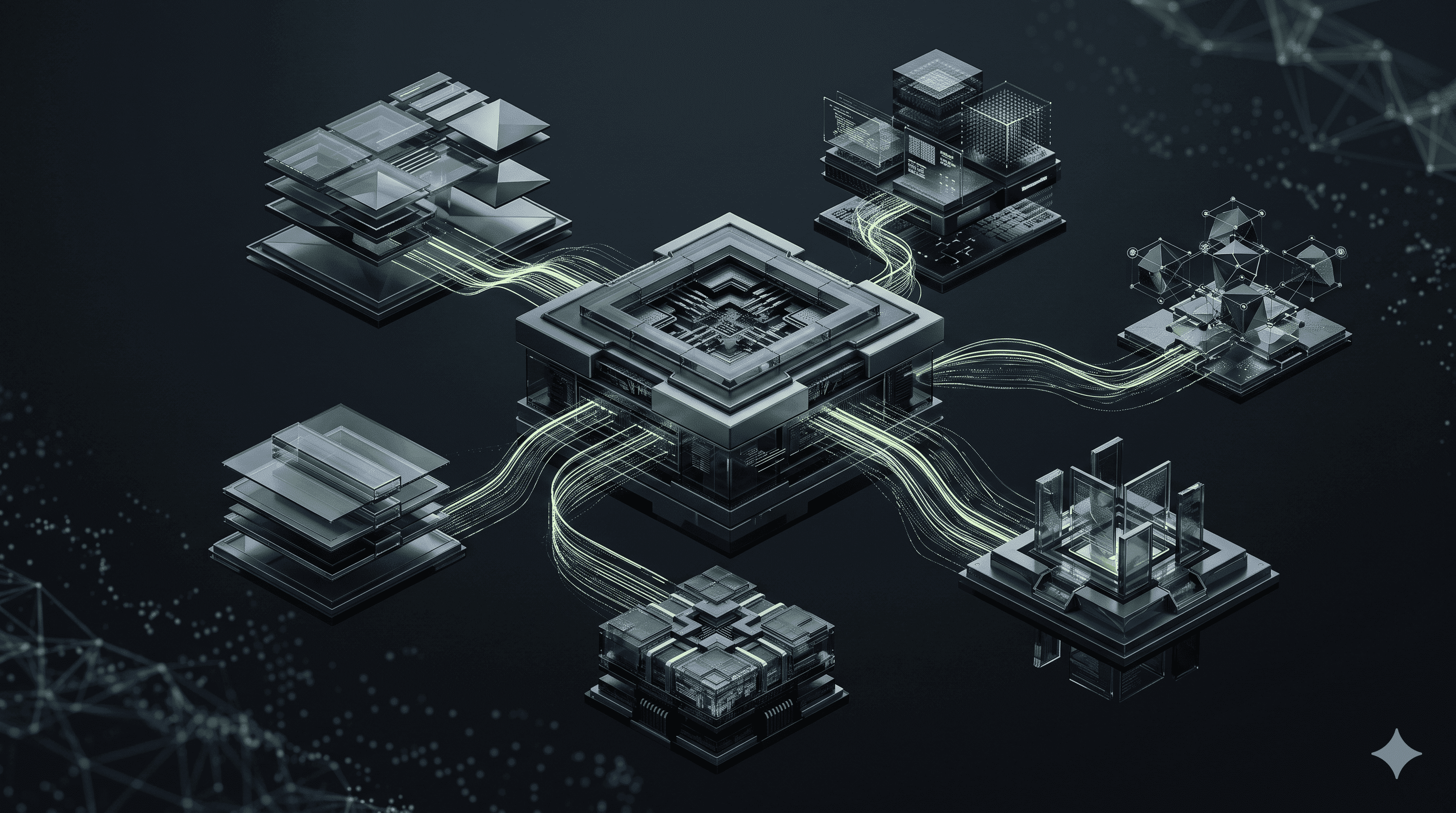
Transforming a Fragmented Commerce Journey into an Integrated Direct-Ordering Platform
Transforming a Fragmented Commerce Journey into an Integrated Direct-Ordering Platform
Executive Summary
A consumer commerce business required a modernization strategy to replace an outdated website experience with a more complete direct-ordering journey.
Webzenith Solutions prepared a revised project scope separating customer-facing commerce functionality from administrative and operational integrations.
The proposed modernization would bring product discovery, purchasing, payments, and order-related processes into a more connected digital experience.
Client Context
The business operated a website that primarily presented information and directed customers toward separate purchasing channels, PDFs, or enquiry forms.
The desired future state was a more integrated direct-to-customer commerce experience.
Business Challenge
The existing customer journey involved unnecessary friction between browsing and purchasing.
The modernization requirements included:
- A unified storefront and product catalog.
- Cart and checkout functionality.
- Support for appropriate local payment methods.
- Customer account and reordering workflows.
- Subscription-related capabilities.
- Shipping and fulfillment considerations.
- Bilingual customer experiences.
- More organized administration and reporting.
Proposed Modernization Solution
Unified Customer Experience
The proposed website would provide a more consistent product discovery and purchasing journey within a single digital environment.
Transactional Commerce Engineering
The scope included product catalog, cart, checkout, payment processing, and order-handling requirements.
Business-Specific Commerce Workflows
The solution also considered B2B reordering, subscriptions, and shipping requirements relevant to the business model.
Localization & Interface Standards
The proposed experience included Spanish and English localization requirements.
Implementation would need clear navigation, responsive layouts, accessible checkout controls, transparent error states, and consistent confirmation flows.
Administration & Operational Integration
The broader architecture separated customer-facing experiences from administrative services, operational integrations, and reporting requirements.
Intended Business Value
The transformation aimed to reduce unnecessary customer journey friction, create a more direct digital sales channel, and improve coordination between commerce and operational functions.
Any improvement in conversion rates, order volume, or customer retention would require evidence from production analytics.
Conclusion
This initiative illustrates how a traditional informational website can evolve into a more complete digital commerce environment.
The value of modernization lies not only in visual redesign but also in connected transactions, operational integration, and a coherent customer experience.
6 Transformation Capabilities
From technology strategy and legacy modernization to cloud, enterprise architecture, and AI readiness.
4 Modernization Stages
Discover, architect, modernize, and optimize.
3 Modernization Approaches
Improve existing systems, integrate technologies, or selectively rebuild.
8 Business Value Objectives
Including maintainability, reliability, connectivity, efficiency, and scalability.
CLIENT PERSPECTIVE
The Companies We Build With Say it
Better Than We Ever Could.
Cloud Modernization | Enterprise Infrastructure
Planning an Azure-to-AWS Migration Through Enterprise Cloud Architecture Assessment
Cloud Modernization | Enterprise Infrastructure
Planning an Azure-to-AWS Migration Through Enterprise Cloud Architecture Assessment

Hospitality Technology | Conversational AI
Connecting Voice AI Ordering, Payments, and Kitchen Operations Through Intelligent Automation
Hospitality Technology | Conversational AI
Connecting Voice AI Ordering, Payments, and Kitchen Operations Through Intelligent Automation
Enterprise Architecture | Digital Ecosystems
Architecting a Connected Digital Ecosystem Through Phased Enterprise Platform Development
Enterprise Architecture | Digital Ecosystems
Architecting a Connected Digital Ecosystem Through Phased Enterprise Platform Development
HealthTech | AI Readiness & System Integration
Advancing Healthcare Digital Modernization Through AI Voice Infrastructure and CRM Integration
HealthTech | AI Readiness & System Integration