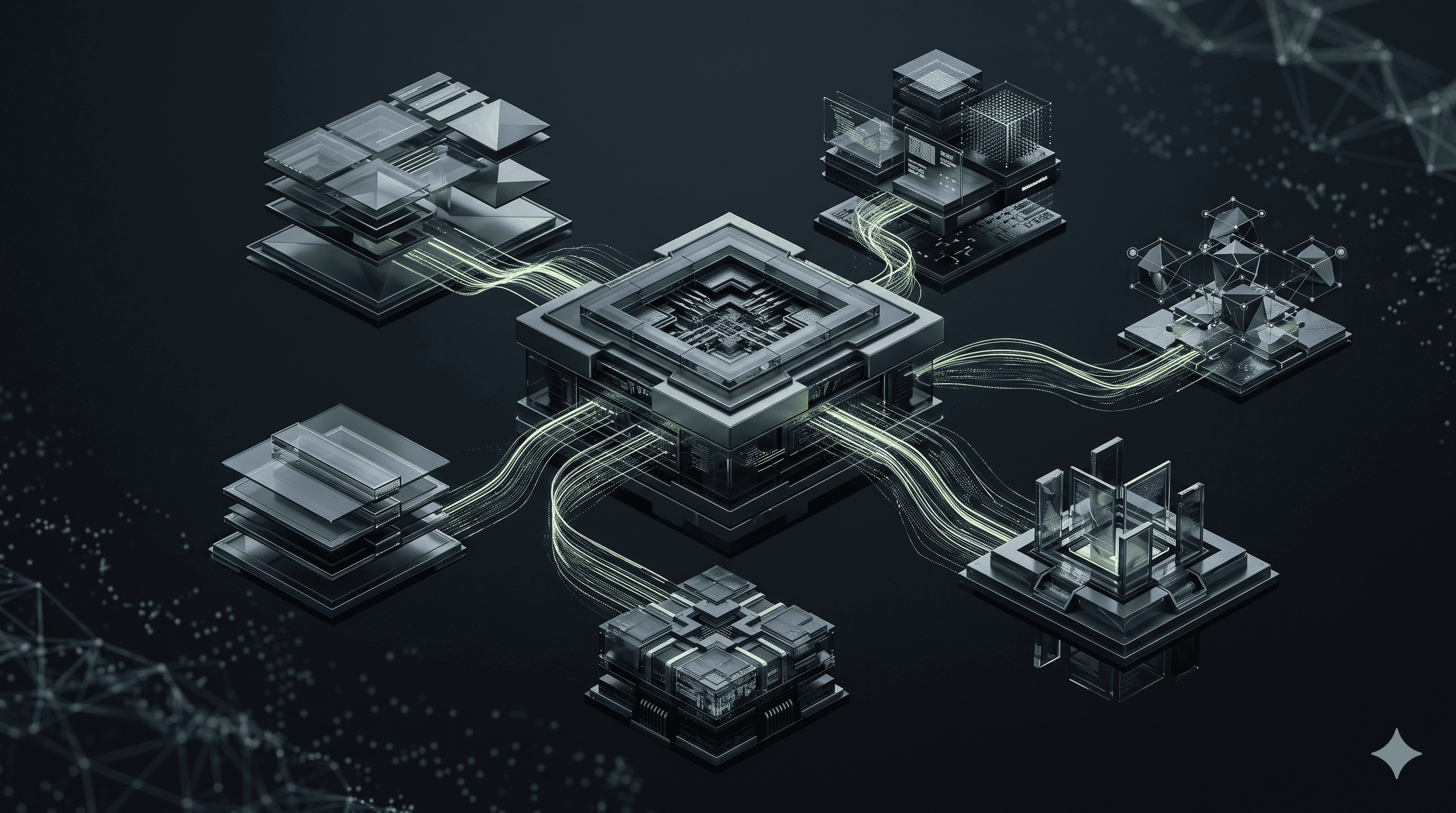
Architecting a Connected Digital Ecosystem Through Phased Enterprise Platform Development
Architecting a Connected Digital Ecosystem Through Phased Enterprise Platform Development
Executive Summary
A multi-platform business initiative required an architectural approach for developing several interconnected digital products within a coordinated technology ecosystem.
Webzenith Solutions entered into a master services framework covering software development, platform integration, architecture, deployment, and future technology enhancements through agreed statements of work.
The initial development scope focused on connected social communication and business discovery applications, with more advanced capabilities reserved for later phases.
Client Context
The client's planned digital ecosystem included consumer-facing experiences, business discovery functionality, communication services, and potential future integrations.
The technical challenge was to establish an architecture that could accommodate multiple products without treating every platform as an unrelated application.
Business Challenge
Multi-platform environments can introduce significant complexity:
- Separate applications with overlapping user requirements.
- Authentication and profile management.
- Shared information and communication workflows.
- Cross-platform integration requirements.
- Multiple administrative responsibilities.
- Future scalability and product evolution.
- The need to control scope across phased releases.
Architecture & Modernization Approach
Phased Platform Strategy
The initial phase was defined around a messaging-oriented social platform and a business discovery application.
Advanced automation, AI capabilities, and other future ecosystem components were explicitly excluded from Phase 1.
Connected Application Architecture
The technical scope addressed the need for multiple applications to operate within a coordinated development and integration environment.
Identity and User Management
Authentication, user profiles, and associated permissions formed part of the initial functional scope.
Platform Engineering
The planned implementation included messaging, community interactions, content experiences, business discovery, and administration-related capabilities.
Future Integration Readiness
The broader services agreement established a framework for additional modules, integrations, and later development phases subject to separately agreed scope.
Intended Business Value
The approach was intended to establish a modular foundation for future digital products while limiting the initial release to defined functionality.
Any claimed adoption, availability, scalability, or commercial outcome would require verified project records.
Conclusion
This engagement illustrates how digital transformation can involve designing a coordinated application ecosystem rather than modernizing a single existing system.
The central engineering principle is to create clear platform boundaries, shared architectural conventions, and phased delivery plans that support future evolution.
6 Transformation Capabilities
From technology strategy and legacy modernization to cloud, enterprise architecture, and AI readiness.
4 Modernization Stages
Discover, architect, modernize, and optimize.
3 Modernization Approaches
Improve existing systems, integrate technologies, or selectively rebuild.
8 Business Value Objectives
Including maintainability, reliability, connectivity, efficiency, and scalability.
CLIENT PERSPECTIVE
The Companies We Build With Say it
Better Than We Ever Could.
Cloud Modernization | Enterprise Infrastructure
Planning an Azure-to-AWS Migration Through Enterprise Cloud Architecture Assessment
Cloud Modernization | Enterprise Infrastructure
Planning an Azure-to-AWS Migration Through Enterprise Cloud Architecture Assessment

Hospitality Technology | Conversational AI
Connecting Voice AI Ordering, Payments, and Kitchen Operations Through Intelligent Automation
Hospitality Technology | Conversational AI
Connecting Voice AI Ordering, Payments, and Kitchen Operations Through Intelligent Automation
Digital Commerce | Customer Experience Transformation
Transforming a Fragmented Commerce Journey into an Integrated Direct-Ordering Platform
Digital Commerce | Customer Experience Transformation
Transforming a Fragmented Commerce Journey into an Integrated Direct-Ordering Platform
HealthTech | AI Readiness & System Integration
Advancing Healthcare Digital Modernization Through AI Voice Infrastructure and CRM Integration
HealthTech | AI Readiness & System Integration